Alite Nanotape – EU version
$19.90
Order now
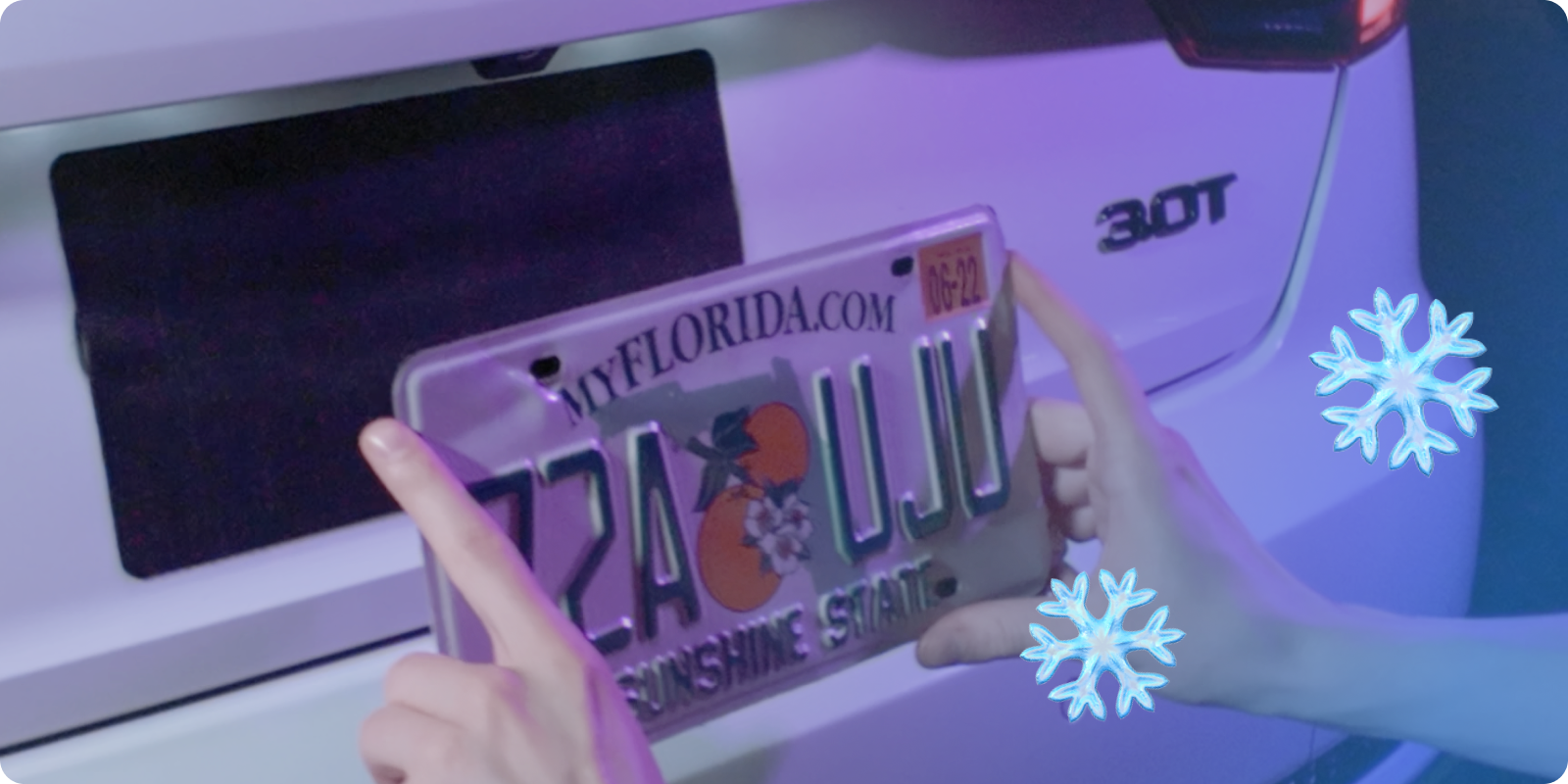
Does Automotive Mounting Tape Work in Cold Weather?
Automotive mounting tape is widely used for exterior accessories because it provides strong attachment without requiring additional holes in the vehicle. However, winter raises an important question: does adhesive remain reliable when temperatures fall? This is especially relevant when tape is used instead of a traditional license plate frame or mechanical mounting hardware. In general, high-quality automotive mounting tape can continue performing in cold weather, but installation temperature, surface preparation, adhesive type, and curing time all influence the final result.
There is also an important difference between installing tape in cold conditions and using an already installed adhesive system during winter. Automotive-grade adhesive that has formed a proper bond can normally tolerate temperatures considerably lower than those recommended for initial installation.
Low temperatures can make pressure-sensitive adhesives firmer and less flexible. During installation, this may prevent the tape from adapting completely to microscopic irregularities in the mounting surface. If contact is incomplete, a license plate holder may not achieve the intended bond strength.
This does not necessarily mean that the adhesive itself is unsuitable for winter. Once quality automotive tape has been correctly installed and allowed to develop its bond, it is designed to tolerate changing environmental conditions.
The vehicle surface matters too. A bumper that feels dry may still contain condensation, frost, or invisible moisture when temperatures are low. Applying tape over moisture or contamination can reduce adhesion regardless of the quality of the product.
Cold-weather performance starts with correct installation. The adhesive and mounting surface should be within the recommended temperature range when the initial bond is created.
Important factors include:
Once properly installed, automotive-grade tape is engineered to tolerate environmental changes that ordinary household adhesive cannot handle. A securely mounted license plate frame front system or frameless plate mount can therefore remain attached during normal winter driving.
Cold air is only one part of the winter environment. Snow, road salt, water, dirt, and repeated freeze-thaw cycles also affect exterior components. Contamination around adhesive edges can become more important than temperature itself, particularly if the original installation was incomplete.
Winter car washing generally does not automatically compromise a correctly bonded automotive adhesive. However, damaged or already lifting edges should not be ignored. High-pressure water directed closely at a weakened section may increase existing separation.
An adhesive system installed correctly under suitable conditions may perform normally when temperatures later fall. Trying to create the initial bond on a freezing, wet surface is much more likely to produce poor results.
Alite Nanotape provides a frameless alternative to conventional vehicle license plate frames. Instead of using a bulky surrounding frame or creating additional holes in the bumper, the system uses automotive-grade adhesive to secure the plate close to the vehicle surface.
This approach creates a clean, low-profile appearance while reducing visible mounting hardware. For reliable winter performance, however, the installation procedure remains essential. The surface should be properly cleaned, dried, and prepared before the adhesive is applied.
If installation takes place during winter, performing the process in a warmer environment can help the adhesive establish proper initial contact. The mounting surface and tape should not simply be warmed briefly while remaining wet or contaminated; both need suitable conditions for the bond to form correctly.
After installation, the adhesive should be given enough time to develop its holding strength before the plate is exposed to demanding conditions. Following these steps allows Alite Nanotape to provide a practical alternative to a traditional license plate holder throughout seasonal temperature changes.
Automotive tape performs best when installation conditions allow the adhesive to make complete contact with the mounting surface. Careful preparation is therefore particularly important during colder months.
A tape-mounted plate generally requires little maintenance once the adhesive has bonded correctly. Periodic inspection is still useful during winter because road salt, ice, and dirt can accumulate around exterior components.
Cleaning the area helps prevent contamination from building up around adhesive edges. If ice forms around the plate, it is better to allow it to melt or remove it carefully rather than pulling aggressively on the mounted component.
The same principle applies to vehicle license plate frames and other exterior accessories: physical stress can create problems independently of temperature. Avoid twisting, repeatedly pulling, or placing unnecessary force on an adhesive-mounted plate.
For reliable winter use:
Drivers should also distinguish between normal cold-weather exposure and an unsuccessful initial installation. If a mount begins separating soon after being applied in freezing conditions, the problem may be insufficient initial adhesion rather than the inability of automotive tape to function in winter.
High-quality mounting tape is specifically developed for demanding automotive environments. When installed correctly, it can provide dependable attachment despite seasonal temperature changes, moisture, vibration, and everyday driving. For systems such as Alite Nanotape, careful installation is the most important step toward reliable year-round performance without a conventional license plate frame.
Have a question?